


Dealership Blog
Toyota Hybrid Buying Guide for Bay Area Drivers
From navigating San Francisco traffic to commuting along Highway 101 and exploring the scenic roads of Marin County, Bay Area drivers need vehicles that balance efficiency, comfort, and everyday versatility. Toyota hybrid vehicles offer an appealing solution by combining gasoline engines with electric motors to help improve fuel efficiency without requiring drivers to change their everyday refueling habits.
Whether you’re considering a fuel-efficient sedan for your daily commute, a versatile SUV for family adventures, or a hybrid vehicle that balances capability with efficiency, Toyota offers several options worth exploring.
At Toyota Marin in San Rafael, we help drivers throughout Marin County, San Francisco, and the surrounding Bay Area explore their options and find vehicles suited to their needs.
How Do Toyota Hybrid Vehicles Work?
Toyota hybrid vehicles combine a gasoline engine with one or more electric motors. These systems work together to deliver power efficiently, adjusting how the vehicle uses gasoline and electricity depending on driving conditions.
One of the biggest advantages of a traditional Toyota hybrid is that it does not need to be plugged in. Instead, the vehicle uses regenerative braking and its gasoline engine to help maintain the hybrid battery’s charge.
This makes traditional hybrids particularly convenient for Bay Area drivers who want improved fuel efficiency without relying on charging stations.
Benefits of Driving a Toyota Hybrid
- Improved fuel efficiency, particularly during city driving and stop-and-go traffic.
- No external charging required for traditional Toyota hybrids.
- Smooth, responsive acceleration with assistance from electric motors.
- Potential fuel savings over time compared with similar gasoline-powered vehicles.
- Hybrid options across sedans, SUVs, and select trucks.
For commuters traveling between San Rafael and San Francisco or drivers frequently navigating busy Bay Area streets, these benefits can make a meaningful difference in everyday ownership.
Which Toyota Hybrid Is Right for Your Bay Area Lifestyle?
Choosing the right Toyota hybrid depends on your driving habits, passenger needs, cargo requirements, and preferred vehicle size.
Toyota Prius
The Prius is an appealing choice for drivers who prioritize fuel efficiency and frequently navigate city streets or crowded parking areas.
Best for: Daily commuters and drivers seeking a compact, efficient vehicle.
Toyota Camry
The Camry combines midsize sedan comfort with hybrid efficiency, making it a practical option for commuting and longer drives throughout Northern California.
Best for: Drivers who want a comfortable sedan with efficient everyday performance.
Toyota Corolla Hybrid
The Corolla Hybrid offers a compact design and efficient performance for drivers navigating San Francisco, San Rafael, and surrounding communities.
Best for: City driving, commuting, and everyday transportation.
Toyota RAV4 Hybrid
The RAV4 Hybrid provides SUV versatility with the efficiency of a hybrid powertrain, offering room for passengers, groceries, and outdoor equipment.
Best for: Active drivers who want an efficient, versatile SUV.
Toyota Highlander Hybrid
The Highlander Hybrid combines three-row seating with hybrid efficiency, making it worth considering for families who regularly transport passengers.
Best for: Families seeking additional seating and everyday practicality.
Toyota Grand Highlander Hybrid
The Grand Highlander Hybrid offers additional interior room and flexible cargo space for family travel, activities, and longer road trips.
Best for: Families needing extra passenger and cargo space.
Toyota also offers hybrid technology in other vehicle categories, including select trucks and SUVs. Available models and powertrains vary by model year.
Are Toyota Hybrids Good for Bay Area Traffic?
Hybrid vehicles can be especially appealing for drivers who regularly encounter stop-and-go traffic.
During slower driving conditions, Toyota hybrid systems can use electric power to help reduce gasoline consumption. Regenerative braking also captures some of the energy that would otherwise be lost when slowing down.
For drivers commuting along Highway 101, navigating San Francisco streets, or traveling between San Rafael and nearby communities, this technology can provide meaningful efficiency benefits.
Actual fuel economy varies depending on the vehicle, driving conditions, terrain, weather, and driving habits.
Hybrid vs. Plug-In Hybrid vs. Electric: What’s the Difference?
Bay Area shoppers have several electrified powertrain options to consider, and understanding the differences can help narrow down the right vehicle.
Traditional Hybrid
Uses gasoline and electric power together without requiring external charging.
Best for: Drivers who want improved efficiency with traditional refueling convenience.
Plug-In Hybrid
Combines a gasoline engine with a larger rechargeable battery, allowing some trips to be completed using electric power.
Best for: Drivers with charging access who want electric driving capability and gasoline flexibility.
Battery Electric
Operates entirely on electricity and requires charging rather than gasoline refueling.
Best for: Drivers with convenient charging access and predictable daily driving needs.
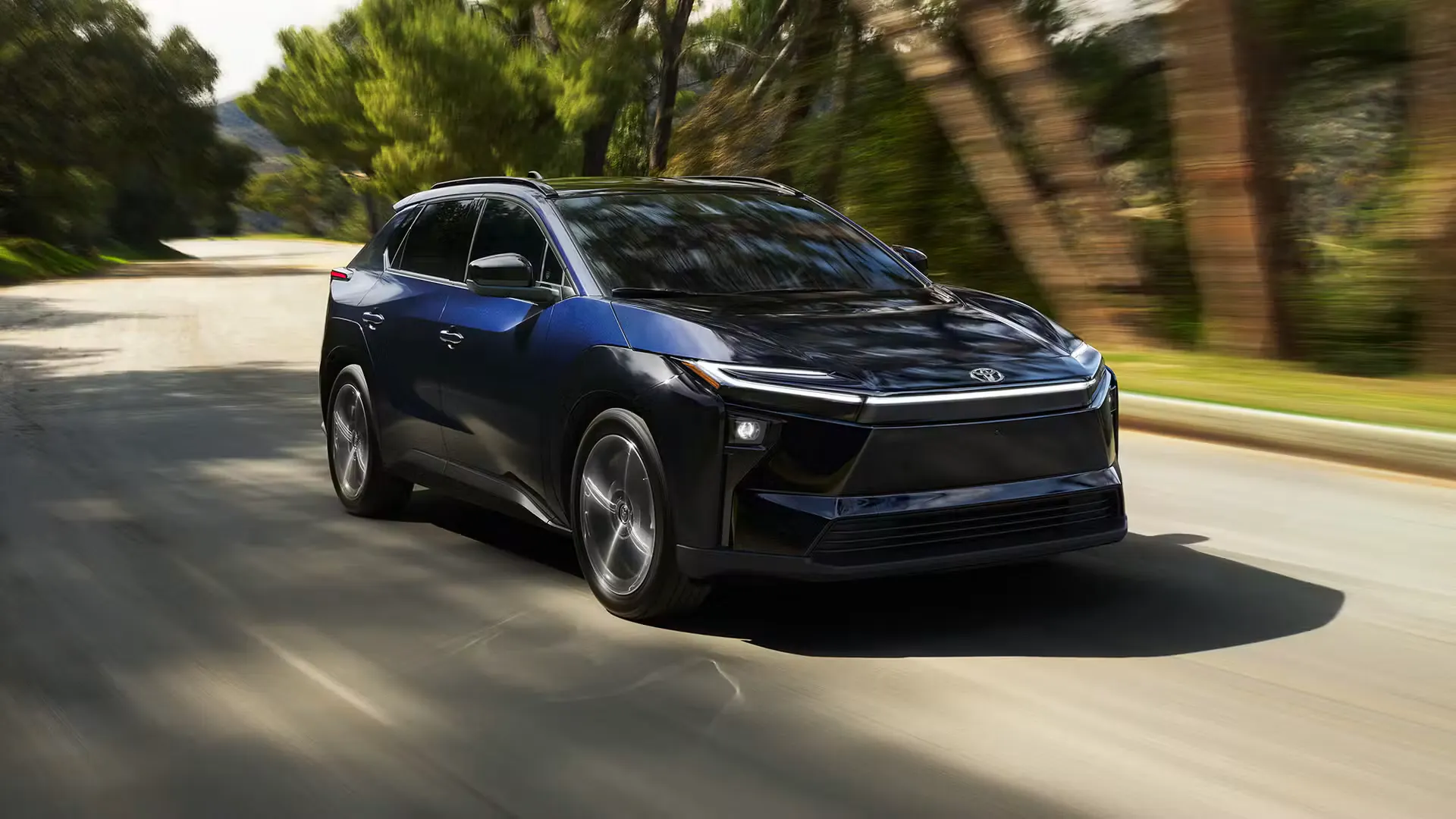
Toyota bZ
The Toyota bZ is an all-electric SUV worth considering for Bay Area drivers interested in transitioning away from gasoline-powered transportation.
Best for: Drivers exploring Toyota’s fully electric vehicle options.
Should You Choose a Toyota Hybrid or an Electric Vehicle?
The right choice depends largely on your driving routine and access to charging.
A Traditional Hybrid May Be Right for You If:
- You want improved fuel efficiency without plugging in.
- You frequently take longer trips throughout Northern California.
- You do not have convenient access to home charging.
- You prefer the flexibility of gasoline refueling.
An Electric Vehicle May Be Right for You If:
- You have reliable access to home or workplace charging.
- You want to eliminate gasoline use during everyday driving.
- You primarily drive within a predictable daily range.
- You are comfortable planning charging stops for longer trips.
Drivers interested in both electric driving and gasoline flexibility may also want to explore Toyota’s plug-in hybrid options.
What Should Bay Area Drivers Consider Before Buying a Toyota Hybrid?
Your Daily Commute
Consider how far you drive each day and whether most of your travel involves city streets, highways, or a combination of both. Drivers who regularly encounter traffic may find traditional hybrid technology especially appealing.
Passenger and Cargo Space
A compact sedan may work well for an individual commuter, while families and outdoor enthusiasts may benefit from the additional flexibility of a hybrid SUV.
Fuel Efficiency
Fuel economy varies by Toyota model, drivetrain, trim level, and model year. Comparing official EPA fuel economy estimates can help you make a more informed decision.
All-Wheel-Drive Availability
Some Toyota hybrid models offer all-wheel drive, which may appeal to drivers who frequently travel in wet weather or visit mountainous areas. Proper tires and careful driving remain essential in challenging conditions.
Your Budget and Financing Preferences
Vehicle price, financing terms, insurance, and estimated fuel costs all contribute to the overall cost of ownership. Toyota Marin can help qualified shoppers explore available financing and leasing options.
Frequently Asked Questions About Toyota Hybrid Vehicles
Do Toyota hybrid vehicles need to be plugged in?
No. Traditional Toyota hybrids do not require external charging. Their hybrid batteries are charged through the vehicle’s operation, including regenerative braking. Plug-in hybrids are different because they can also be charged externally.
Are Toyota hybrids good for commuting in San Francisco?
Yes. Toyota hybrids can be well suited for Bay Area commuting because their gasoline and electric powertrains are designed to operate efficiently across a range of driving conditions, including stop-and-go traffic.
Which Toyota hybrid SUV is best for families?
The RAV4 Hybrid, Highlander Hybrid, and Grand Highlander Hybrid are worth considering. The right choice depends on passenger needs, cargo requirements, vehicle size, and budget.
Do Toyota hybrids save money on gasoline?
Toyota hybrids are designed to improve fuel efficiency compared with similar conventional gasoline-powered vehicles. Actual fuel savings depend on the model, fuel prices, driving habits, and miles driven.
Are Toyota hybrids available with all-wheel drive?
Yes. Several Toyota hybrid models offer all-wheel drive, although availability depends on the specific vehicle, model year, and configuration.
Is a Toyota hybrid better than a fully electric vehicle?
Neither option is automatically better for every driver. Traditional hybrids offer fuel efficiency without external charging, while fully electric vehicles eliminate gasoline use but require charging.
Explore Toyota Hybrid Vehicles at Toyota Marin
Whether you’re commuting from San Rafael to San Francisco, exploring Marin County, or planning weekend trips throughout Northern California, Toyota offers hybrid and electrified vehicles designed for a variety of driving needs.
At Toyota Marin, we can help you compare available models, explore financing options, and identify a vehicle that fits your lifestyle.
Located in San Rafael, Toyota Marin serves drivers throughout Marin County and the greater Bay Area.